Introduction To School Holiday Programs for Teenagers with Disabilities
Teenagers enjoy longer school holidays as it helps them find new hobbies, interests, build bonds, new friendships, and have beyond classroom experiences. But teens with disabilities might experience fewer opportunities regarding structured activities, social engagement, and skill building during holidays. That’s where such holiday programs for teenagers make a huge difference.
Australian Disability Support Providers arrange all-inclusive holiday workshops that support individuality, skill building, and social engagement. Such social programs help learners in boosting confidence in a safe, supportive and enjoyable environment.
Following the National Disability Insurance Scheme (NDIS)’s principles, quality school holiday programs highlight individual interests, adjustments, informed decisions, and relevant community participation. You can check the 7 major benefits of school holiday programs for disabled teens from different school holiday activities.
1. Skills and Friendships Building
Teenage development depends highly on social interaction. But, teenagers with disabilities might experience problems while joining group tasks, building connections, and communicating.
School holiday activities give the opportunity to engage with other teenagers through workshops, projects, outdoor and group activities.
Positive Social Engagement Creation
Students can practice teamwork, communication, turn-taking tasks, understanding, and listening with proper support from trained support workers. These daily activities help them become comfortable in various social settings.
Building connections can reduce the feelings of loneliness and create a higher sense of belonging.
2. Support Individuality and Life Skills
Regular task management plays a vital role in becoming independent. Holiday activities can inspire teenagers to take part in practical tasks that build essential life skills.
Activities include personal stuff arrangement, simple meal preparation, time management, and daily decision making based on various skills and support requirements.
Learn from Regular Tasks
A workshop on pottery helps to learn about the basics of working with clay, shaping different pieces, and crafting them into catchy and finished ceramics. Group tasks can also help children with disabilities get mental improvement, boost confidence, and opportunity to make significant life decisions.
These help teenagers with disabilities build confidence in daily task management with the right support.
3. Building Emotional Well-being and Confidence
The surroundings affect teenagers when they feel accepted, heard, encouraged, seen, and respected in trying new things or doing new tasks. Children with disabilities can be highly influenced by beyond classroom tasks that can help in building confidence and emotional well-being.
All-inclusive activities enable teenagers to explore their hobbies without any added pressure or unrealistic goals.
Opportunities for Personal Growth
Taking part in a group activity or learning new skills, and completing an art and craft project can help teenagers build a sense of achievement and joy.
Support givers can point out individual progress and motivate participants at their own pace. Such reinforcements assist in building confidence, motivation, self-esteem, and readiness for new experiences.
4. Encourages Physical Activity and Healthy Habits
Daily physical activities assist coordination, physical health and well-being. But teenagers with disabilities need additional support, adapted tools or an easy to access setting to join activities.
Planned holiday activities can cover inclusive sports, nature walks, trails, dancing, turn-taking games, and recreational activities.
Making Physical Activities Accessible
Disability support givers must keep some factors in mind, such as the participant’s health needs, mobility, physical abilities, and sensory choices, before choosing any activities.
Continuous adjustments, individual assistance, and supervision can make participation easier. The goal is to encourage enjoyment, movement, and flexible routines.
5. Offers Chances to Explore New Interests
School holidays provide valuable and enjoyable opportunities for teenagers to find out about activities they might not experience daily during the academic session.
Creative workshops, technology training, music classes, gardening, community outings, and photography can help teenagers build new interests or hobbies.
Finding Strengths and Hidden Talents
Participating in various activities allows teenagers to identify what they love to do and what their strengths are. Some might discover their painting skills, some love cooking, and some even enjoy technology.
These new experiences can assist personal skill development and inspire teenagers to pursue interests and activities they enjoy in their holiday period.
Community Participation and a Feeling of Inclusion Building
Being in a large community is vital for building connections and experiencing a feeling of community. However, lack of support and access can sometimes limit teenagers with disabilities from taking part in various community tasks.
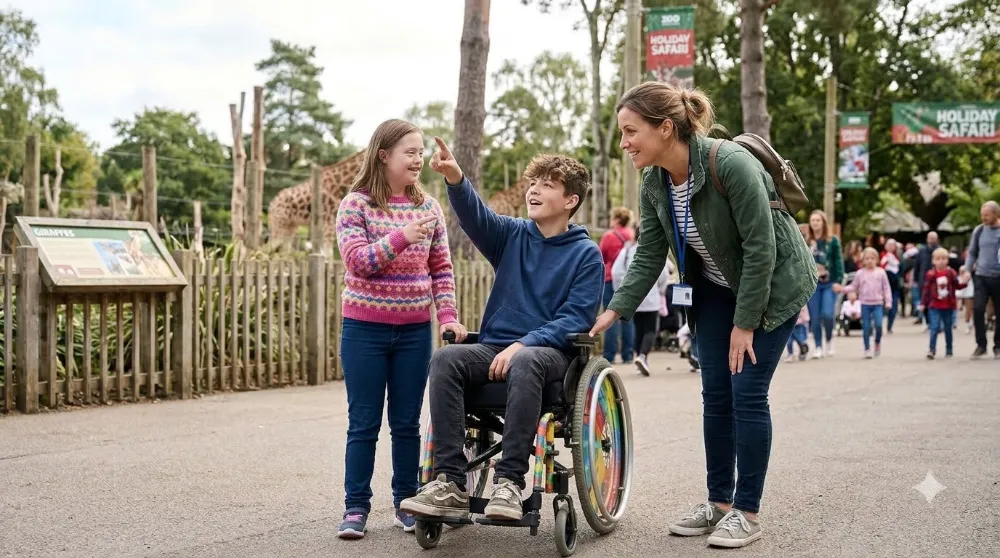
Well-planned holiday programs can help in highlighting such issues with supported visits to museums, local community events, parks, recreational centres, libraries and craft centres.
Significant Community Connections Building
Following the NDIS principles, community and social activities participation mainly focuses on helping teenagers with disabilities to engage in tasks they enjoy while building independence and connections.
Support workers can help teenagers with participation, communication and accessibility as per their different needs and preferences. Such exposure can help make environments highly encouraging and familiar with more engagement in regular social activities.
7. Provides Structure on School Breaks and Supports Families
Longer school holidays can change existing routines. Teenagers who enjoyed such activities, and benefited from time schedules might find such changes highly challenging, especially when daily social and educational activities stop.
Holiday activities can offer structured daily schedules with planned tasks, specific breaks and relaxation opportunities.
Positive Experience Creation for Families
A structured program also helps parents and caregivers have higher confidence that their children are taking part in educational activities with full support.
Families share their expectations, relevant information, and work with support givers to assure that activities highlight the teenagers needs and preferences.
This approach helps in creating a positive and highly encouraging environment for both the participant and families.
How Do Australian Disability Support Providers Organise NDIS-Aligned Holiday Programs?
Australian Disability support providers must arrange holiday programs following NDIS requirements and applicable child safety norms. The NDIS Practice Standards highlight informed decisions, risk management, safe environments, safety measures, right of the participants, and individualized support planning.
Major considerations are:
- Risk management
- Certified support workers
- Individualised planning
- Choice and preferences of participants
- Easy to access environments
- Family flexibility, openness and collaboration
It is also necessary to know about NDIS funding rules. The NDIS usually does not provide funding for attending a school holidays program or recreational activities. They offer disability related fund support, only when necessary criteria are met while aligning to the participant’s plan.
Final Thoughts,
School holiday activities can offer higher opportunities for teenagers with disabilities to build independence, boost confidence, build connections, and take part actively in communities. Experiences directly impact personal and social skill development, beyond engaging young people in school breaks.
Choosing the right one involves understanding of the specific needs, preferences, interests, support arrangements, and goals of the teenager. When support workers follow NDIS norms and focus on safety, participant choices and inclusion, school holidays become better for unforgettable experiences and long-term progress.